
What is a Technical Advisor?
In adventurous activities, organisations often use technical advisors to ensure they are following good practice. What is a technical advisor? Who can be one? How do you choose a technical advisor for your organisation? And why should you bother?!
OUTDOOR EDUCATION
Sam Lee
3/26/20265 min read
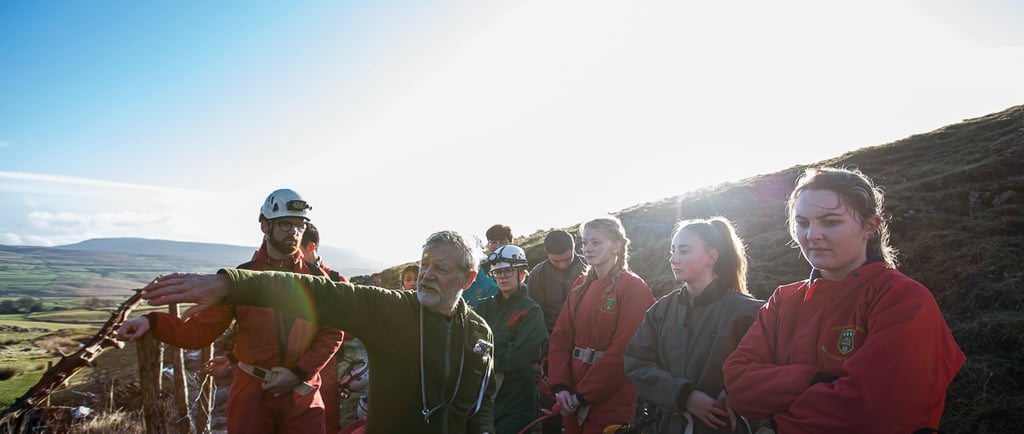
Adventurous activities provide opportunities for participants to be active and explore the countryside. They provide truly life-changing experiences which lead to healthy habits like running, cycling, hill-walking, climbing and paddling. Adventurous activities are also often a high-consequence activity in which mistakes or accidents can lead to injury or even death.
In this environment, a technical advisor (TA) can provide reassurance and support to help you and your organisation navigate the complexities of competence, safe systems, and robust procedures.
What is a Technical Advisor
A TA is an expert, a "competent person", who provides an independent external perspective from the broader sector at a high-level. This usually involves the provision of 'advice' to help your organisation align with good practice and helps to avoid you being the outlier in your provision.
Technical advisors are often independent contractors who operate at a high-level in their chosen disciplines. Many hold high-level qualifications and are often delivering instructor-level qualifications on behalf of NGBs.
There is no 'technical advisor' certificate, and it's not a protected title, so anyone can claim to be a technical advisor. It's important that when searching for a technical advisor for your organisation that you check and verify an individuals' credentials, experience, and suitability before engaging them.
Choosing a technical advisor
A Technical Advisor is not merely an excellent kayaker (for example). They have a distinct set of skills that are built over years of training and experience covering both breadth and depth in their given areas. Technical advisors should be judged against the following criteria:
Technical Competence: They should hold a qualification significantly higher than the typical area of provision they are providing advice on (e.g., a Cave Instructor Certificate, CIC, or Mountaineering and Climbing Instructor, MCI).
Broad Industry Experience: A decade of personal activity is not the same as a decade of leading and managing provision at a high level. The TA should be able to demonstrate their background is wide and deep. (e.g. a member of the Association of Heads of Outdoor Education Centres).
Relevant & Recent Experience For This Project: The specific piece of work you are asking the TA to help with should be situated well within their area of expertise. A really great TA should be honest and open about whether a project is best referred to another advisor. No single TA is likely to be able to cover all areas of operation for a busy outdoor centre.
Teaching & Assessing Skills: A TA may be providing training or assessing as part of their services. They should be able to evidence a portfolio of training and assessing skills through their experience or qualifications (ideally both) if required.
Scoping & Report Writing: A TA will likely produce something for you as part of a project. An experienced TA will usually start by asking you about what you're hoping to achieve through this advice. This is usually referred to as 'scoping' and is an important part of the process. At the end, the advisor will typically produce a report or actions list. This should be specific and be written in accessible language, particularly for a non-technical audience.
What can a good TA do for you?
A good technical advisor should be more than a signature on a risk assessment; they should act as a critical friend, helping you navigate compliance, duty of care, and empowering your staff, volunteers, and participants to get involved. Moving beyond a "tick-box" relationship, a TA provides three primary levels of value to your organisation:
1. Robust Liability Management
While adventure activities can be transformative, the risks can significant when poorly managed. A good TA helps you navigate this by:
Reviewing policies and procedures, examining competence, and supporting you to create safe systems and practices.
Ensuring Legal Literacy: They translate complex national guidance from bodies like the British Caving Association (BCA) or Mountain Training into actionable internal policies, ensuring you meet your "competent person" obligations under the 1999 Management Regulations.
2. Tailored Safe Systems of Work
Rather than providing generic advice, a dedicated TA interrogates the specific intersection of your provision and relevant sector guidance. This includes:
Site-Specific Guidance: TAs assess your specific context, venue, staffing, and provision and provide tailored guidance and support.
Continuous Monitoring: TAs can offer ongoing support and monitoring. This might include incident support or annual reviews. This should be clearly scoped and agreed in advance.
3. Empowering You, Your Staff, Volunteers and Participants
A good TA should seek to empower and support you and your organisation to be able to make decisions, rather than make decisions for you. This might seem counter-intuitive as many people think TAs provide answers - they do sometimes - but ideally they provide the context and support, guidance, and training to empower you and your volunteers to build safe systems of work. This might involve:
Quality Training: They design and deliver bespoke training and assessment schemes that are higher than the standard but lower than a full professional qualification, specifically tailored for the student leader context.
Developing Professional Judgment: A good ta teaches students how to think about risk, moving them away from "scary safety" (following rules they don't understand) toward becoming truly competent leads.
In short, a good TA should seek to understand your provision, clearly scope out what you require, and empower you to create safe systems and processes.
The Result: Perfection or Progress?
It's tempting to think that after a TA visit or project is complete that your provision is now 'safe'. Unfortunately it's not that easy. Nothing stays the same in outdoor activities. Venues change, staff move on, equipment gets damaged, the nature or type of provision you offer might vary. It's a good idea to get someone in to periodically review your provision to ensure it is still robust and in keeping with good practice (this changes too!).
It doesn't necessarily mean that you need to get the same TA in every 12 months for an annual 'review'. A good TA will still seek to add value every visit. A good way to do it is to pick a theme each year, for example you might look in detail at:
Staff Competence (qualifications, experience, training, induction, matrices, etc)
Risk Assessments (are they suitable and sufficient?)
A new area of provision
A particular practice or aspect of delivery
Picking a focus helps you get really specific advice and support, as well as an overall 'health check.
Do you need Technical Advice?
Stormy Sky Ltd offers technical advice for adventurous activities for organisations involved in provision or support of these activities. This includes outdoor centres, students unions, universities, community groups, and the military.
Our approach is laid out above, and we'd be really happy to chat to you about our experience, qualifications, and how we might be able to help you out. Alternatively we have a great network of other TAs we can refer you on to if we don't think we're a good fit for your needs.
If you'd like a no-obligation phone conversation, simply fill out the form below.
Need Technical Advice?
Fill out the form below and we'll be in touch!
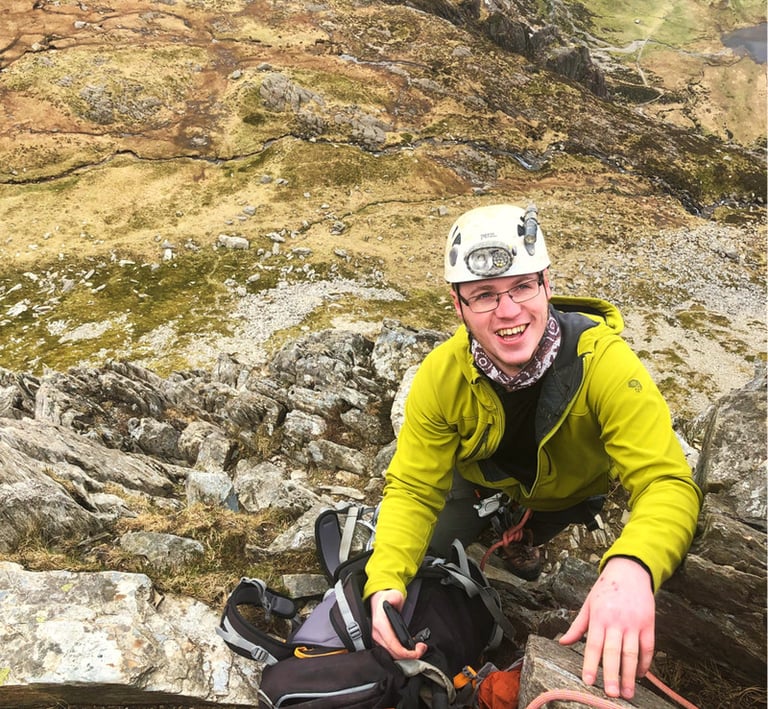
Stormy Sky Ltd
A Yorkshire-based experiential learning consultancy.
Get in touch
+44 (0) 752 395 4434
© 2025. All rights reserved.
View our Privacy Policy