
Safe Adventures Report: Helping Higher Education Clubs & Societies Enact Change
Understanding the implications of this report for Students Unions, activities staff, technical advisors, and club committee members.
HIGHER EDUCATIONOUTDOOR EDUCATION
Sam Lee
3/31/20264 min read
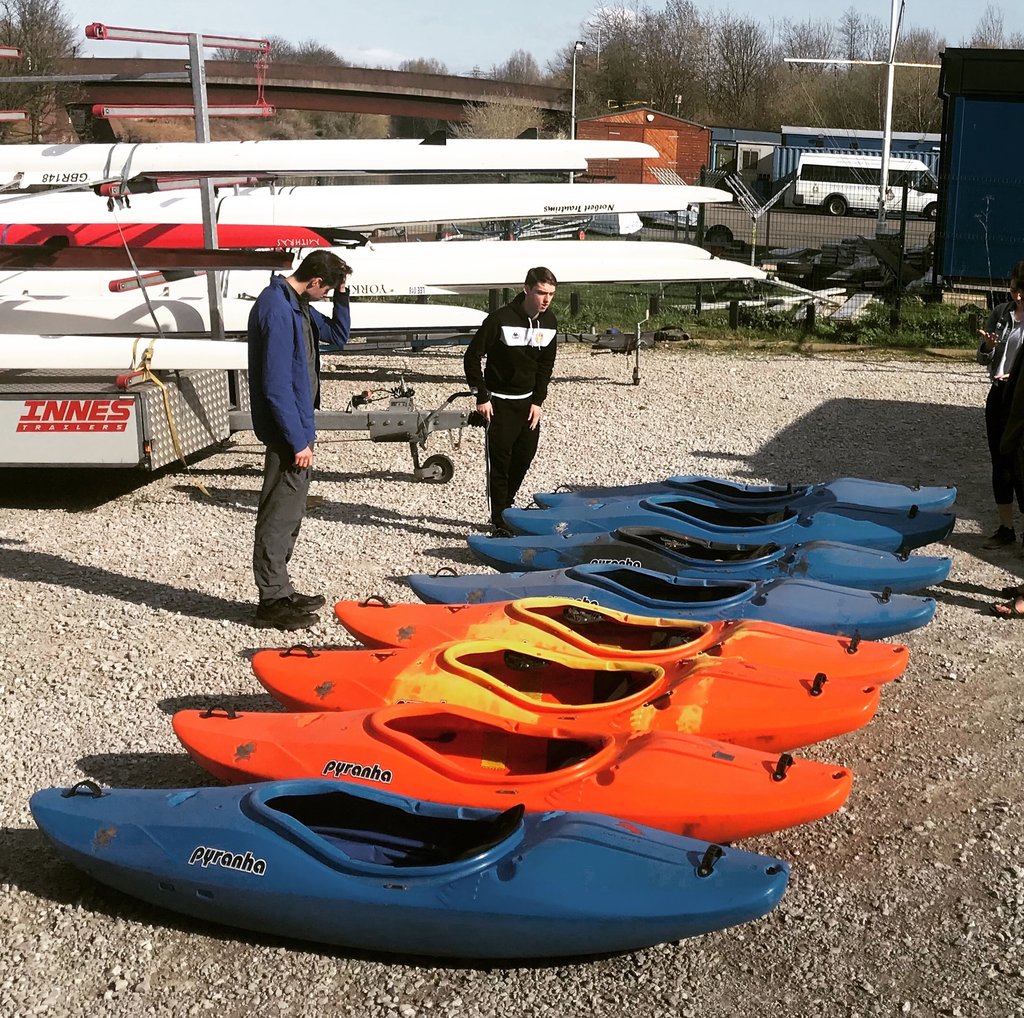
Safe Adventures Report - March 2026
The Safe Adventures report was released in March 2026 and is the next phase of a project seeking to help University unions and guilds to support adventure activities to deliver the valuable student experiences they offer. This report is not the end goal. The end goal is sector change, moving towards a model which reflects good practice across the sector. The report is well researched and written and I encourage all parties to read the report in full. The guidance below is designed to help translate this report into action and as a summary of some of the key takeaways.
Safe Adventures: The Why
Adventure activities are a cornerstone of the university experience for many students. These activities offer more than just a hobby; they are vital for wellbeing, a sense of belonging, and the development of employability skills. Students learn to measure risk, take responsibility, and lead all whilst enjoying the outdoors and keeping active. The University adventurous activities have, since their inception, relied upon students to run and manage these activities often with limited support.
The vast majority of student clubs operate with a good safety record and management systems that prevent most incidents. This is however not universal.
Following the tragic death of Jack Lees during a Wild Swimming society trip in 2024, Jack’s mother Dawn set up what is now called the Student groups outdoor pursuits safety programme, a stakeholder group which has informed a research project into the issues surrounding student-led adventurous activities.
It’s worth reiterating at the start that this research project is designed to promote safe practice, and encourage participation rather than to reduce or police student activity.
The "Mismatch" in Current Practice
The Safe Adventures report identifies a critical "mismatch" in how many organisations currently manage and support these activities. While supporting organisations want activities to be student-led, this can sometimes lead to "trust without verification," where student leaders make high-stakes decisions with minimal oversight. Furthermore, staff often lack the technical expertise required to approve complex activities like caving or kayaking, resulting in risk assessments becoming a "box-ticking exercise" rather than a live safety tool.
The Competence Lens
The report uses the framework of competence as a foundational principle which is defined through the S.K.A.T.E. framework: Skills, Knowledge, Attitude, Training, and Experience.
This has implications for supporting organisations like students unions in terms of how they gauge competence in student activity leaders. Organisations are advised to work with technical advisors to develop competence matrices for activities undertaken by their affiliated clubs and societies.
The report makes it clear that supporting organisations like students unions have a legal obligation to ensure that activity undertaken by affiliated clubs and societies meet recognised standards of practice and that trustees and senior leaders understand and manage the level of risk associated with these activities.
A Principled Path Forward
To protect students and their passions, the report establishes six core principles for safe practice.
Competence: Leaders competence should typically be established through National Governing Body (NGB) qualifications or "in-house" statements supported by technical advisors.
Risk: Organisations must move away from generic institutional templates toward "suitable and sufficient" systems designed for the specific activity area.
Technical Advice: Staff must recognise their limits and engage qualified technical advisers to bridge expertise gaps. (see our blog post on What is a Technical Advisor?)
Operations: Every group needs user-friendly, student-led emergency plans that are regularly reviewed by a competent person.
Communications: Clear channels must exist between all parties, using participation statements so everyone understands their roles and safety responsibilities.
Equipment: Safety-critical gear must be strictly maintained and "fit for purpose". This process should be recorded and supported by training.
Training Requirements
The report makes several recommendations relating to training provision for clubs and societies. This may not be exhaustive and should be adapted to the specific needs of your organisation by a suitably qualified technical advisor.
Robust Risk Assessment Training - Providing training to student groups on how to evaluate and mitigate risks.
Specialist Technical Training - Role-specific training for activity leaders and committee members covering wraparound risks like driving, pastoral care and social activities.
National Governing Body (NGB) Qualifications & Support - Providing qualifications and targeted training for student leaders in specific activities.
Specialised Safety Skills - First aid, equipment inspection & maintenance, leadership etc.
Incident Management & Reporting - Ensuring leaders know the procedures for different types of emergencies and the reporting system for near misses.
A technical advisor can help you design and deliver (or help direct you towards) training to meet your needs.
A Call for Culture Change
True safety requires a culture change within students' unions and universities. We must foster an "open culture" where near misses and incidents are reported without fear of blame, allowing the whole sector to learn and improve.
The report makes it clear that ‘safe practice’ is not something done to student groups, but with them.
Helping you Implement the Safe Adventures Report in Your Organisation?
We can help you create a roadmap to implement the key recommendations of the Safe Adventures Report in your context. The report recognises that change takes time and it's likely that supporting organisations will need support from specialist technical advisors. Stormy Sky Ltd can act as a technical advisor for adventure activities and the process of implementing the safety recommendations.
We can also deliver technical and specialist safety training for staff and students in critical areas like:
Outdoor first aid & incident management
Risk assessment and management
Equipment inspection & maintenance
Water safety management
Fill out the form below for an initial no-obligation phone chat about your circumstances.
Need Technical Advice?
Fill out the form below and we'll be in touch!
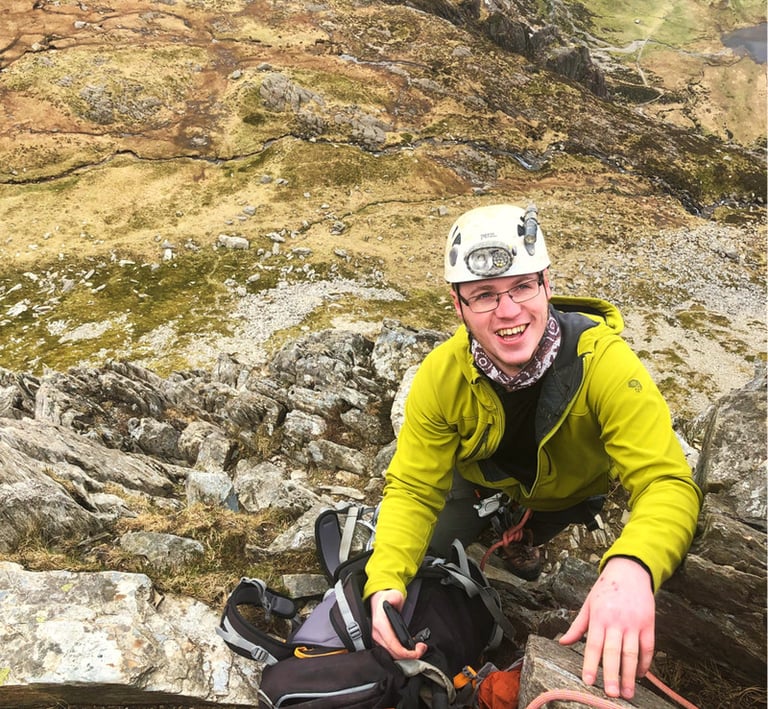
Stormy Sky Ltd
A Yorkshire-based experiential learning consultancy.
Get in touch
+44 (0) 752 395 4434
© 2025. All rights reserved.
View our Privacy Policy